
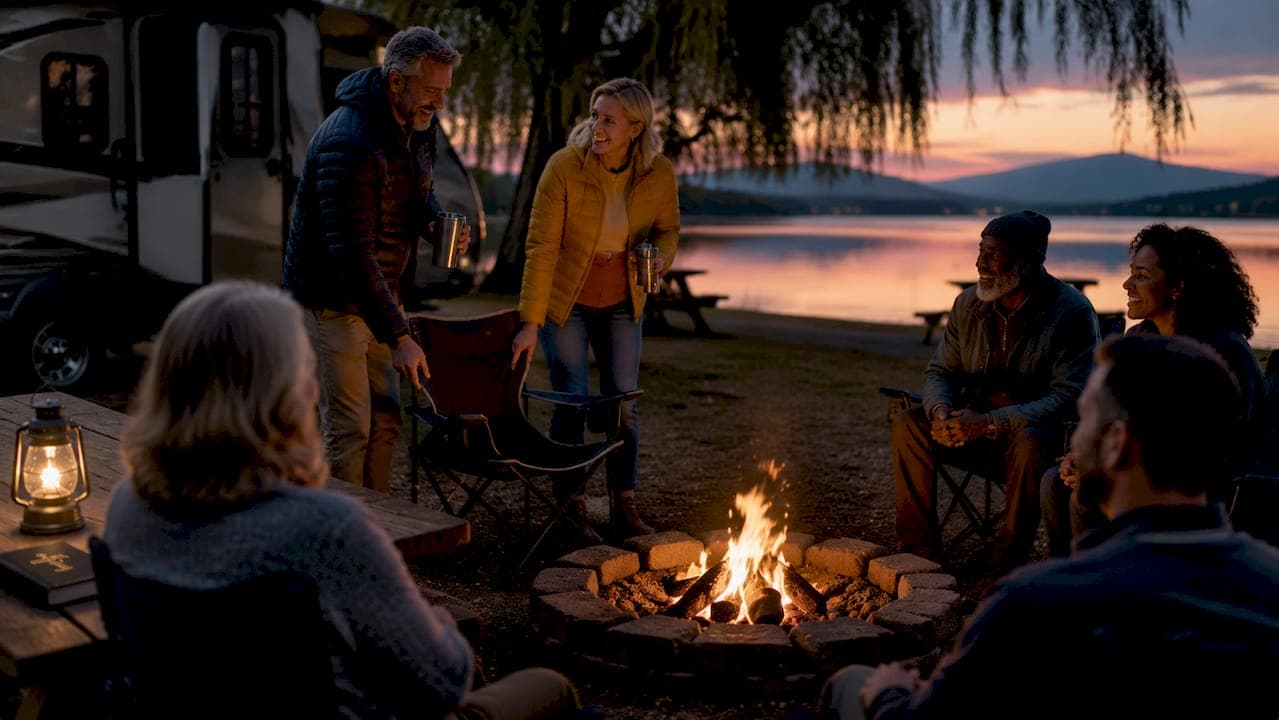
RV ministry is defined as the practice of serving others spiritually and practically while traveling full-time or part-time in a recreational vehicle, using the road itself as a mission field. The examples of ministry opportunities while RVing range from structured volunteer programs with organizations like NOMADS and RVICS to informal campground church services, virtual Bible studies, and event-based outreach like Blue Jay Ministries' "Ethan's Giving Tree." Whether you're a retiree with trade skills, a family seeking purpose on the road, or a solo traveler open to God's leading, the RV lifestyle creates ministry moments that a fixed address rarely can.
1. Structured volunteer programs: NOMADS and RVICS
The most organized examples of ministry opportunities while RVing come through formal programs that match volunteers with specific service needs across the country. NOMADS mission volunteers serve U.S. churches and camps through construction, maintenance, and hospitality projects, providing a clear structure for travelers who want accountability and community built into their service. RVICS operates similarly, placing volunteers at camps, schools, and disaster rebuilding sites where physical labor meets spiritual purpose.
Both programs offer a benefit that makes the math easy for full-time travelers: free full-hookup RV sites in exchange for your time and skills. That means your housing cost drops to zero while you serve. For retirees on fixed incomes or families managing travel budgets, this arrangement makes long-term ministry financially realistic.
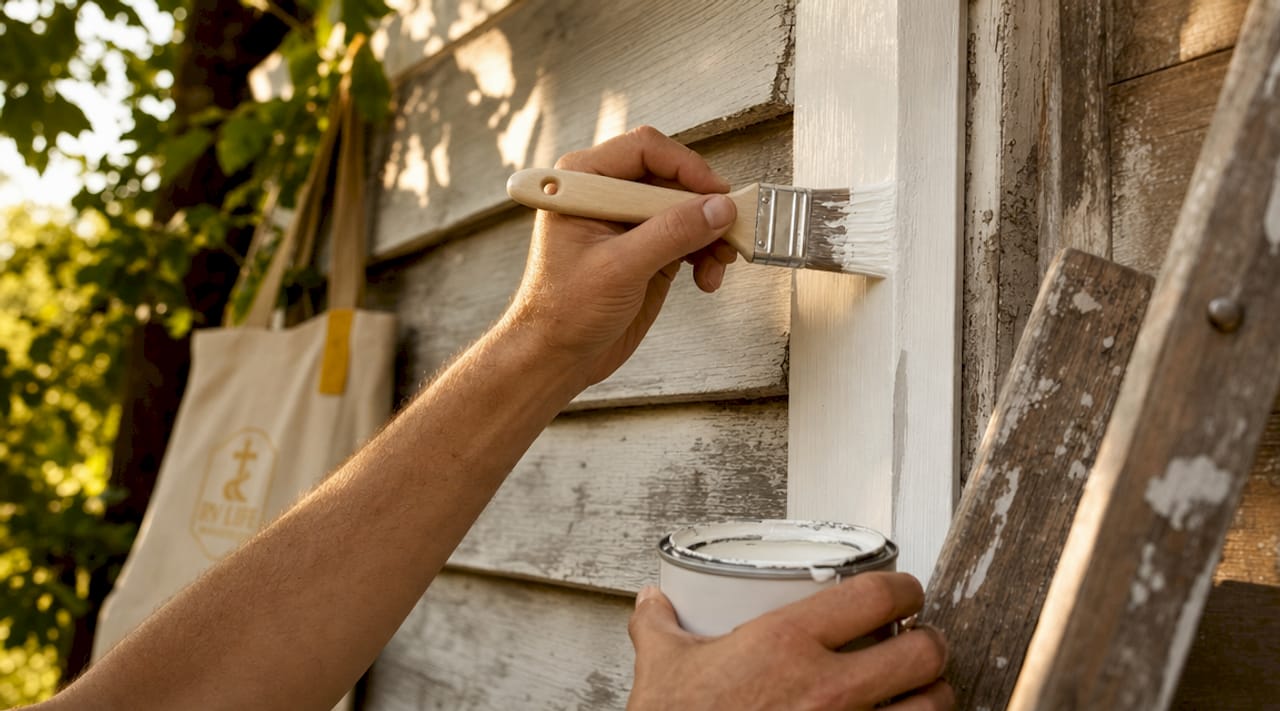
The types of work vary widely. You might spend a week painting a church fellowship hall, repairing cabins at a Christian camp, teaching a skills class, or organizing a food pantry. The variety keeps service from feeling repetitive and ensures that people with different abilities can contribute meaningfully.
Pro Tip: Contact NOMADS or RVICS at least 60 days before your intended service date. Popular sites fill quickly, especially during summer camp season and post-disaster rebuilding windows.
2. Campground hosting as a ministry platform
Campground hosting is one of the most underrated RV ministry ideas available to traveling Christians. A campground host lives on-site, assists guests with check-in, answers questions, and maintains the grounds. But for a believer, every interaction with a fellow camper is a potential ministry moment.
The informal nature of campground life removes the barriers that often keep people away from traditional church settings. Campground churches welcome people as they are, without dress codes, membership requirements, or denominational gatekeeping. That accessibility reaches transient populations, including seasonal workers, traveling families, and people in personal crisis, who would never walk through a church door on Sunday morning.
Michael Turner's story illustrates this well. After retiring to an RV, Turner transitioned into campground church ministry through daily prayer and hands-on service, building a congregation of fellow campers who gathered around picnic tables and fire rings. His ministry grew not from a pulpit but from showing up consistently and being genuinely available.
"Effective RV ministry often begins simply by being available and open to God's leading each day." — Ministry Without Walls
Starting a pop-up worship service or Bible study at your campsite requires almost nothing: a few chairs, an open Bible, and a willingness to invite your neighbors. That simplicity is the point.
3. Pop-up worship services and Bible studies on the road
Running a worship gathering from your campsite is one of the most grassroots forms of community service RVing produces. You do not need a sound system, a worship band, or a formal curriculum. A consistent time, a welcoming attitude, and a pot of coffee draw people who are spiritually curious but not yet church-connected.
Here is a simple framework for starting a campsite Bible study:
- Choose a consistent day and time, such as Sunday morning at 9 a.m. or Wednesday evening after dinner.
- Post a handwritten sign at the campground bulletin board with the location and topic.
- Keep the first session short, around 30 to 45 minutes, to respect people's schedules.
- Use a discussion-based format rather than a lecture. Questions like "What does this passage mean to you?" lower the barrier for newcomers.
- Close with prayer and an open invitation for the following week.
This model works because community in RV ministry is about presence and people, not location. The simplicity of campsite life strips away material distractions and focuses attention on spiritual needs. People who spend their days hiking, fishing, or sitting by a lake are often more open to spiritual conversation than people rushing through a suburban workweek.
4. Virtual Bible studies and online outreach
Technology has made virtual ministry one of the most flexible volunteer opportunities for RVers who travel solo, move frequently, or serve in areas with limited local Christian community. Blue Jay Ministries runs virtual Bible studies through Google Meets, teen-led events, and seasonal charity programs like "Ethan's Giving Tree," all while traveling full-time in an RV.
Virtual ministry solves a real problem for nomadic believers: consistency. When you move every few days or weeks, building a local congregation is nearly impossible. But a weekly online Bible study creates a stable community that follows you wherever you park.
- Host a weekly video call Bible study using Google Meets, Zoom, or FaceTime.
- Moderate a faith-based Facebook group for RVers in your region or denomination.
- Record short devotional videos and post them to YouTube or Instagram Reels.
- Participate in or lead prayer chains through group messaging apps.
- Stream Sunday worship through platforms like the RV Life Ministries church livestream to stay connected to gospel-centered teaching on the road.
Pro Tip: Schedule your virtual Bible study for the same day and time each week, and send a calendar invite to participants. Consistency is what turns a one-time call into a genuine community.
5. Leveraging your professional skills in ministry
The most common misconception about RV ministry is that it requires formal theological training or pastoral credentials. It does not. Secular professional skills like trades, logistics, communication, and project management translate directly into ministry value at churches, camps, and disaster relief sites.
A retired electrician can rewire a camp kitchen. A former teacher can run a literacy program at a mission site. A nurse can staff a health clinic at a rural church. A project manager can coordinate a construction volunteer team. The skill itself opens the door; the relationship built while using it opens the conversation.
Volunteering in RV ministry does not require perfect health or specialized training. RVICS explicitly welcomes all skill levels, and simple tasks like painting, cleaning, organizing supply rooms, and preparing meals are just as valued as technical work. What matters most is showing up with willingness.
| Skill type | Ministry application |
|---|---|
| Trades (electrical, plumbing, carpentry) | Church and camp facility repair and renovation |
| Teaching or tutoring | Literacy programs, VBS curriculum, youth mentoring |
| Medical or nursing | Rural health clinics, mission trip medical support |
| Cooking or hospitality | Feeding programs, camp meal service, welcome events |
| Communication or media | Social media outreach, newsletter writing, livestream support |
The table above reflects real roles filled by NOMADS and RVICS volunteers across the country. Your existing career is not separate from your ministry. It is your ministry.
6. Teen events and youth-focused outreach
Youth ministry on the road is a specific and high-impact form of faith-based travel service that Blue Jay Ministries has demonstrated is fully achievable from an RV. Teen-led events, mentorship programs, and seasonal charity drives like "Ethan's Giving Tree" show that outreach to young people does not require a church building or a youth pastor salary.
Serving alongside others in this context strengthens spiritual growth and personal fulfillment for both the volunteer and the young people being served. Teenagers respond to authenticity, and a traveling Christian who has chosen a life of service over comfort carries a credibility that is hard to manufacture in a traditional church program.
Practical youth outreach options for RVers include organizing a one-day service project at a local park or food bank, running a sports or arts camp for kids at a campground, and partnering with local churches to support their existing youth programs during your stay. Even a single afternoon of genuine engagement can leave a lasting impression on a teenager who has never seen faith lived out in a mobile, unconventional way.
7. Disaster relief and community rebuilding
Disaster relief is one of the most direct forms of community service RVing enables, because your home travels with you. When a hurricane, flood, or tornado strikes a region, RV volunteers can deploy quickly, set up on-site, and work for weeks without needing local housing. RVICS specifically places volunteers at disaster rebuilding sites, and the combination of self-contained living and skilled labor makes RVers uniquely effective in these situations.
Volunteer relationships in disaster relief settings often feel like family within days due to shared service and daily interaction. The intensity of the work and the shared mission create bonds that outlast the deployment. Many RV ministry volunteers report that disaster relief trips become the defining spiritual experiences of their lives on the road.
You do not need to wait for a major disaster to engage in rebuilding ministry. Many rural churches and low-income communities have deferred maintenance needs that a team of skilled RV volunteers can address in a single week. Reaching out to local churches or denominational offices in your next destination before you arrive is a simple way to identify these opportunities.
8. Campground ambassador and hospitality ministry
Serving as a campground ambassador is a structured role that Rvlifeministries actively supports through its ambassador program. Ambassadors represent the ministry at RV parks, welcome new arrivals, distribute resources, and create a point of connection for traveling Christians who might otherwise feel isolated on the road.
Hospitality ministry in campgrounds is less about programming and more about presence. Bringing a meal to a family whose rig just broke down, sitting with a solo traveler who looks lonely, or praying with someone facing a health crisis are all acts of service that require nothing more than attention and willingness. These moments are the texture of RV ministry at its most human level.
9. Partnering with local churches along your route
Every stop on your travel route is a potential partnership opportunity. Local churches often need short-term help with specific projects, and a traveling Christian with time and skills is a genuine answer to prayer for a small congregation with limited resources. Partner churches connected through Rvlifeministries can receive RV travelers who arrive ready to serve, creating a network of mutual support across the country.
This model benefits both sides. The local church gets practical help and fresh energy. The traveling RVer gets community, spiritual accountability, and the satisfaction of leaving a place better than they found it. Over time, a network of partner churches transforms a road trip into a ministry circuit with real continuity and impact.
Key takeaways
RV ministry is most effective when travelers combine structured volunteer programs, informal hospitality, and virtual outreach to serve wherever they are parked.
| Point | Details |
|---|---|
| Structured programs offer the most support | NOMADS and RVICS provide organized roles, community, and free RV sites for volunteers. |
| Campground ministry reaches the unreached | Informal worship and hospitality connect with people who avoid traditional church settings. |
| Skills you already have are ministry tools | Trades, teaching, medical, and communication skills all translate directly into service roles. |
| Virtual ministry solves the consistency problem | Weekly online Bible studies build stable community regardless of where you are parked. |
| Willingness matters more than credentials | RVICS and similar programs welcome all skill levels; showing up is the primary qualification. |
What I've learned from years of watching RV ministry transform lives
I'll be honest: when I first encountered the idea of RV ministry, I assumed it was a niche pursuit for retired pastors with too much time and a nice diesel pusher. I was wrong. The people doing this work are electricians, nurses, teachers, and grandparents who simply decided that their next chapter would be defined by service rather than leisure.
What strikes me most is how the RV lifestyle removes the excuses that keep most believers from serving. You have no lawn to mow, no neighborhood obligations, and no fixed schedule. The road creates margin, and margin is where ministry happens. The travelers I've seen doing this work consistently report that they receive far more than they give. The spiritual growth that comes from serving alongside strangers who quickly become family is unlike anything a Sunday morning service can produce on its own.
My honest encouragement is this: start smaller than you think you need to. Invite your campsite neighbor to coffee. Post a sign for a Bible study. Email a church in your next destination and ask if they need help. The grand ministry vision usually grows from one ordinary act of availability. You do not need a plan. You need a posture.
— Bo
How Rvlifeministries equips you to serve on the road
Rvlifeministries exists to bring gospel-centered community to RV parks across America, and the resources available through the ministry are built specifically for travelers like you.
Whether you want to join as an ambassador, connect your home church as a partner church, or simply stay spiritually grounded while traveling, Rvlifeministries has tools designed for the nomadic Christian life. The church livestream keeps you connected to worship no matter where you park this weekend. Visit Rvlifeministries to explore the full range of ministry resources, find community, and take your next step toward serving on the road.
FAQ
What are the best structured programs for RV ministry volunteers?
NOMADS and RVICS are the two most established structured programs for Christian RV volunteers, offering placements at churches, camps, and disaster relief sites with free full-hookup RV sites included.
Do I need ministry experience to volunteer with an RV program?
No formal ministry experience is required. Programs like RVICS welcome all skill levels, and simple tasks like painting, cleaning, and meal preparation are just as valued as technical or pastoral work.
How does virtual ministry work for full-time RVers?
Virtual ministry uses platforms like Google Meets or Zoom to host weekly Bible studies and prayer groups, allowing RVers to build consistent spiritual community regardless of their physical location.
Can I start a campground ministry without any organizational support?
Yes. A campsite Bible study or informal worship gathering requires only a consistent time, a welcoming attitude, and a posted invitation at the campground bulletin board. No organizational affiliation is needed to begin.
How do I connect with local churches while traveling?
Rvlifeministries maintains a network of partner churches that welcome traveling Christians for fellowship and service. You can also contact local churches directly before arriving at your next destination to ask about short-term volunteer needs.